Zespri Kiwifruit
How one kiwi brand conquered China
Population 5.2 million — a tiny home market for a global fruit brand.
China became Zespri's #1 market and keeps buying even when global sales dip.
A country of 5 million builds the brand; a market of 1.4 billion makes it great
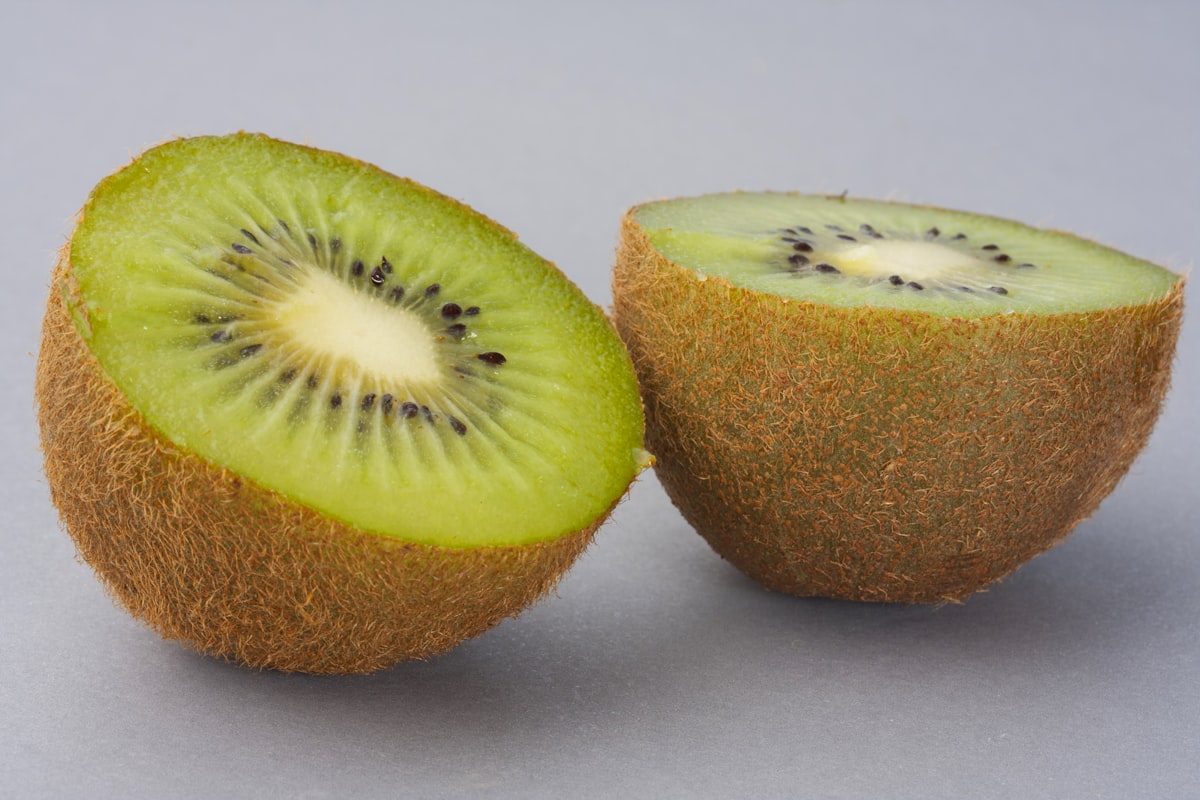
A kiwifruit is a small, fuzzy, green-skinned fruit that most of the world treated as a commodity. Zespri, a cooperative owned by roughly 2,800 New Zealand growers, turned that commodity into one of the most recognizable premium food brands in China — a market where the word “Zespri” (佳沛) is now nearly synonymous with kiwifruit itself. This is the story of how a country of 5.2 million people built a brand that a market of 1.4 billion consumers now buys at a deliberate premium, season after season.
Executive Summary
Zespri’s China strategy is not really a story about fruit. It is a story about turning an undifferentiated agricultural product into a branded consumer good — and then using China’s trade infrastructure, retail channels, and health-conscious middle class to scale that brand far beyond what any single growing region could sustain. Three pillars carry the strategy.
First, absolute quality control. Zespri does not sell “kiwifruit”; it sells graded, traceable, standardized fruit under a registered brand, with strict specifications for size, sweetness (measured in Brix), and eating quality. This converts an inconsistent commodity into a predictable premium product that consumers will pay more for.
Second, a persistent brand narrative. A clean, safe, pure origin story — New Zealand’s pristine environment and strict food-safety standards — is told consistently across every touchpoint, from supermarket shelf to livestream.
Third, institutional presence. Zespri has exhibited at the China International Import Expo (CIIE) for eight consecutive years, turning the national trade platform into an annual stage for product launches, government relationship-building, and distribution deepening.
The result: China is Zespri’s single largest market, consuming more than a third of its global SunGold volume, and the brand keeps selling even in seasons when global volumes dip. For any foreign fruit brand or supplier studying how to enter China, Zespri is the clearest proof that commodity branding — not commodity pricing — is the winning playbook.
The Numbers That Matter
The scale of Zespri’s China business is best understood against the backdrop of the wider market.
Zespri reported global fruit revenue of roughly NZ$3.99 billion in its 2023/24 financial year, a record value delivered even in a season of reduced volumes caused by poor growing conditions in New Zealand. Within that total, Greater China stands out as the engine: it is Zespri’s largest market by volume and value, and China’s demand for the premium SunGold variety accounts for more than one-third of Zespri’s global SunGold sales.
The wider context is equally important. China’s appetite for imported fresh fruit keeps rising, with fresh-fruit imports reaching US$17.7 billion in the first eleven months of 2024 alone. Kiwifruit sits inside a category — premium fresh fruit — that has been one of the fastest-growing segments of China’s food import market, driven by urbanization, rising disposable income, and a sharp turn toward health-conscious eating.
The pricing story is the most revealing number of all. In Chinese supermarkets and on e-commerce platforms, a tray of Zespri SunGold regularly retails at several times the price of a comparable weight of domestic kiwifruit. Consumers are not paying for the fruit; they are paying for the guarantee — of sweetness, of safety, of origin — that the brand represents. That gap between commodity price and brand price is Zespri’s entire business model, and China is where that model produces its richest returns.
Why Zespri Sells in China
Zespri’s dominance did not come from luck or a single marketing campaign. It came from a layered strategy that aligns product quality, storytelling, health trends, and state-level trade endorsement.
Quality Grading and Standardization
The foundation of the Zespri premium is ruthlessly consistent quality control. Every fruit is graded by size, weight, dry matter, and Brix (sugar) level before it earns the Zespri label. SunGold, the flagship yellow-fleshed variety, is bred for a consistently sweet, tropical flavor profile that is measurably different from the tart, variable green kiwifruit consumers knew before. Each tray carries a traceability code that can be traced back to a specific orchard and grower.
This standardization is what makes a premium price defensible. A Chinese shopper buying an unbranded domestic kiwi is gambling on taste; a shopper buying Zespri knows, with a high degree of certainty, what is inside the box. That certainty — not the fruit itself — is what the consumer is purchasing, and it is the single hardest thing for competitors to replicate.
The Origin Story and Brand Narrative
Zespri sells New Zealand as much as it sells kiwifruit. The brand’s marketing leans heavily on the country’s clean, green image: pure water, unpolluted air, strict environmental and food-safety regulation. In a market where food-safety scandals have repeatedly shaken consumer trust, a verifiable, well-regulated foreign origin is a powerful asset.
The brand name itself was engineered for this purpose. “Zespri” is a coined word — a blend suggesting zest, life, and the New Zealand “Kiwi” identity — deliberately free of any association with a single variety or farm, so the brand could expand across products and markets. In Chinese it is rendered 佳沛 (“Jia Pei”), characters that read as “excellent” and “abundant” — a translation chosen for its positive connotations and easy memorability. Every element of the name, from English to Chinese, was built to carry a premium story.
Health Positioning and the Rise of the Health-Conscious Consumer
Zespri timed its China push to coincide with a generational shift in how Chinese consumers eat. Kiwifruit is marketed as a nutrient-dense fruit — exceptionally high in vitamin C, rich in dietary fiber, and (for SunGold) low in acidity, which makes it gentler on the stomach than green kiwifruit. As China’s middle class grew and its attention turned from simply being fed to eating well, fruit shifted from a treat to a daily wellness habit.
Zespri leaned into this deliberately. Marketing emphasizes the fruit’s vitamin C content, its role in digestive health, and its suitability for children, pregnant women, and older consumers. This health framing transformed kiwifruit from a seasonal purchase into a repeat, habitual one — exactly the kind of consumption pattern a premium brand needs to sustain year-round demand rather than a once-a-year spike.
The CIIE as Institutional Endorsement
Zespri has been a fixture at the China International Import Expo since its inaugural edition in 2018, completing eight consecutive years of participation. This is not a symbolic gesture. The CIIE gives Zespri a stage directly endorsed by the Chinese government, where it launches new products (its red-fleshed RubyRed kiwi debuted for the Chinese market through this channel), signs distribution agreements, and meets the provincial buyers and retailers who actually move volume.
The expo also functions as a credibility signal. In China, presence at a state-level platform like the CIIE carries an implicit stamp of legitimacy and openness that reassures both business partners and consumers. For Zespri, the CIIE has become an annual ritual that keeps the brand at the center of China’s import narrative — a privileged position that competitors without the same institutional standing find hard to match.
The Middle-Class Consumption Upgrade
Underlying all of this is a structural trend: China’s middle class treats premium imported food as a marker of quality of life. As incomes rose across China’s tier-one and tier-two cities and then spread into lower-tier markets, the willingness to pay a premium for guaranteed-quality food rose with them. Zespri positioned itself precisely at this intersection — the moment when consumers trade up from “whatever is cheapest” to “whatever I can trust.”
Crucially, Zespri did not try to compete on price. It competed on trust, and it let the middle class’s own upward consumption trajectory do the selling. That is why the brand has held its premium even as competition intensified: its customers are not price shoppers, and the brand’s value proposition was never cheapness.
Channel Deep Dive
Zespri’s channel strategy in China mirrors the brand itself: broad enough to be everywhere its customers are, but curated enough to protect the premium.
Premium Supermarkets and Membership Retailers
The physical shelf is where Zespri’s brand identity is most visible. The fruit is sold through high-end and membership retail channels — Sam’s Club, Hema (Freshippo), and specialty fruit chains like Pagoda (百果园) — where it is displayed prominently, often in branded trays with clear origin and traceability messaging. These retailers were chosen deliberately: their customers are already primed to pay for quality, and their own food-safety and sourcing standards reinforce Zespri’s positioning rather than undermine it.
Membership retailers like Sam’s Club are particularly important because they sell in bulk trays, which raises basket size and encourages the household-repeat purchase behavior that Zespri’s health positioning depends on. Hema, with its strong fresh-food identity and data-rich digital ecosystem, gives Zespri access to young, affluent, digitally native consumers. Pagoda’s specialized fruit expertise positions Zespri next to other premium imported fruit, reinforcing its category leadership by association.
E-Commerce and Livestreaming
Digital commerce is the fastest-growing slice of Zespri’s China business. The brand operates flagship stores on Tmall and JD.com, where it can control pricing, packaging, and messaging, and where it captures first-party consumer data that physical retail cannot provide. Douyin (TikTok’s Chinese counterpart) has become a crucial discovery channel, with short-video content and livestream selling introducing Zespri to younger consumers and converting impulse interest into direct orders.
E-commerce also solves a seasonal logistics problem. By selling pre-orders and managing inventory digitally, Zespri can smooth demand across the Southern and Northern Hemisphere growing seasons and route fruit to consumers with less spoilage than traditional distribution. The combination of a premium flagship-store presence and aggressive short-video marketing lets the brand defend its price online while reaching consumers far beyond the physical footprint of premium supermarkets.
The CIIE as a Launch Platform
The CIIE deserves a second look as a channel in its own right. Beyond the symbolic endorsement, each expo edition functions as a product launchpad and a deal-making venue. Zespri has used its CIIE presence to debut new varieties to the Chinese market, announce expanded distribution into new regions and lower-tier cities, and ink partnerships with retailers and logistics providers under the spotlight of national media. For a brand whose competitive advantage is trust, the ability to announce its China plans on a state-backed stage — year after year — is a channel asset most competitors simply do not have.
Compliance & Entry
The premium positioning only works if the fruit actually clears Chinese customs reliably, at scale, and in peak condition. Zespri’s entry into China is governed by a formal, negotiated regulatory framework.
Phytosanitary Protocol
Fresh kiwifruit entering China must comply with a bilateral phytosanitary agreement. The current requirements for New Zealand fresh kiwifruit are set out in the General Administration of Customs of China (GACC) Announcement No. 79 of 2023, which governs orchard registration, pest and disease management, packaging, and inspection. A separate protocol — GACC Announcement No. 73 of 2024 — covers fresh soft-fleshed kiwifruit (软枣猕猴桃), reflecting the fact that each product category and each new variety can require its own negotiated access.
The practical implications are significant. Orchards and packing houses must be registered with both New Zealand’s primary-industries regulator and GACC. Fruit must be produced in areas free of quarantine pests, undergo treatment and inspection, and carry documentation proving compliance before shipment. This regulatory moat is part of why the market is not crowded: the cost and complexity of maintaining a compliant supply chain is a barrier to entry in its own right.
Cold Chain and Supply-Chain Discipline
Phytosanitary compliance is only the entry ticket. Delivering a premium fruit in premium condition requires an unbroken cold chain from New Zealand orchard to Chinese shelf. Kiwifruit is harvested firm, stored in controlled-atmosphere conditions, and shipped by sea in refrigerated containers — or, for early-season and premium varieties, flown by air to capture the highest-margin window. The fruit must be ripened and conditioned on arrival so that it reaches consumers at the right eating stage, not hard and unripe.
Zespri’s brand depends on this discipline absolutely. A single bad eating experience — a tray of hard, sour fruit sold at a premium price — erodes the exact trust the brand is built on. The cold chain is therefore not a logistics detail; it is a core part of the product promise, and Zespri has invested accordingly in port facilities, ripening programs, and distribution partnerships across China.
Market Access as a Strategic Asset
For any foreign supplier, the deeper lesson is that Chinese market access is a negotiated, relationship-intensive process — and that maintaining it requires ongoing compliance. Zespri’s multi-year presence, its institutional relationships, and its willingness to invest in the CIIE and in Chinese regulatory engagement all compound into what is effectively a first-mover moat. New entrants cannot simply “start shipping”; they must build the same phytosanitary, cold-chain, and relationship infrastructure that Zespri spent two decades assembling.
Competitive Landscape
Zespri does not operate in a vacuum. It faces competition on three fronts: domestic Chinese kiwifruit, other imported brands, and — most strikingly — unauthorized cultivation of its own proprietary variety inside China.
Zespri vs. Domestic Kiwifruit
China is itself the world’s largest kiwifruit producer, with major growing regions in Shaanxi, Sichuan, and other provinces. Domestic kiwifruit is abundant, cheap, and increasingly improving in quality as Chinese growers modernize. But it remains, for the most part, a commodity: sold loose, inconsistently graded, and without the brand narrative, traceability, and standardized eating experience that Zespri offers.
This is a deliberate strategic divide. Zespri does not try to beat domestic fruit on price — it could not, and it would not want to. Instead it competes in a different category altogether: guaranteed-quality, branded, premium kiwifruit. The domestic commodity and the imported brand can coexist because they serve different consumers and different occasions. The risk is at the margin, where improving domestic quality and rising domestic branding efforts could eventually squeeze the premium from below.
Zespri vs. Other Imported Brands
New Zealand is not the only country exporting kiwifruit to China. Italy, Greece, and Chile also ship kiwifruit into the Chinese market, typically at lower price points than Zespri. Some of these imports are SunGold-like gold varieties, and they compete directly for shelf space in the same premium retail channels.
Zespri’s defense is the strength of its brand and its control of the most desirable variety genetics. Competitors can ship a gold kiwifruit, but they cannot ship “Zespri” — the brand, the traceability story, and the guaranteed eating experience. In a category where trust is the product, the brand with the deepest consumer recognition and the longest institutional presence holds the strongest position. That said, price pressure from lower-cost imports is real and growing, and it is one reason Zespri has doubled down on premium differentiation rather than volume competition.
The “Rogue SunGold” Challenge
The most serious long-term threat is not a competitor brand but unauthorized local cultivation of Zespri’s own variety. The SunGold variety is proprietary — it was licensed to a Chinese grower for trial, and the resulting plant material was subsequently propagated without authorization at a massive scale. Reports have put the scale of this unauthorized cultivation at tens of millions of “rogue trays” of SunGold-like fruit grown inside China.
This is a genuine strategic problem. Unauthorized local SunGold can be sold at a fraction of the price of genuine Zespri fruit while carrying the same variety’s taste profile, and it erodes both the scarcity and the exclusivity of the brand. Zespri has pursued legal remedies and pushed for variety-protection enforcement, but enforcing plant-variety rights across a market the size of China is slow and difficult. The episode is a cautionary tale for any brand bringing proprietary genetics into China: the brand itself, not the variety alone, is the durable moat.
The Opportunity
For foreign fruit brands and suppliers, Zespri’s story is a transferable playbook — and the opportunity is far from exhausted. China’s premium-fruit market is still growing, lower-tier cities are still trading up, and consumers are still rewarding brands that guarantee quality.
The Commodity-to-Brand Methodology
The playbook Zespri proved can be reduced to a repeatable method. First, control the product before anything else: standardize, grade, and trace the fruit so the consumer’s experience is predictable. A premium price without a predictable product is unsustainable.
Second, build the origin story into the brand. Safety, purity, and provenance are the currency of trust in China’s food market. A clean, verifiable origin, told consistently in the local language and adapted to local meaning, is worth more than any advertising campaign.
Third, anchor into institutional platforms. The CIIE, provincial trade shows, and government-endorsed channels provide legitimacy that money alone cannot buy. Showing up year after year compounds into credibility and relationships that competitors cannot shortcut.
Fourth, choose channels that protect the premium. Sell where quality-seeking customers already shop — membership retailers, premium supermarkets, and brand-controlled flagship e-commerce — rather than racing to the lowest price.
Fifth, defend the brand as the moat, not just the variety. Proprietary genetics are valuable but leak; the brand, the traceability system, and the consumer relationship are what actually endure. Any supplier entering China should assume its varieties will eventually be copied and build its defensibility around the things that cannot be cloned.
Conclusion
Zespri’s China story is the definitive case of commodity branding done right. A New Zealand cooperative with a home market of barely five million people built a premium empire in the world’s largest consumer market by refusing to compete on price and instead competing on trust, consistency, and institutional presence. It standardized the product, wrapped it in a clean origin story, rode the health-consumption wave, and showed up at the CIIE for eight straight years — until the brand, not the fruit, became the asset.
The lesson for every foreign fruit brand and supplier is unambiguous: China’s premium market will keep paying for certainty. The companies that win there will be the ones that stop selling a commodity and start selling a guarantee. Zespri proved the model works. The market is still buying.