Nike
How Nike turned China's sports upgrade into a global growth pillar
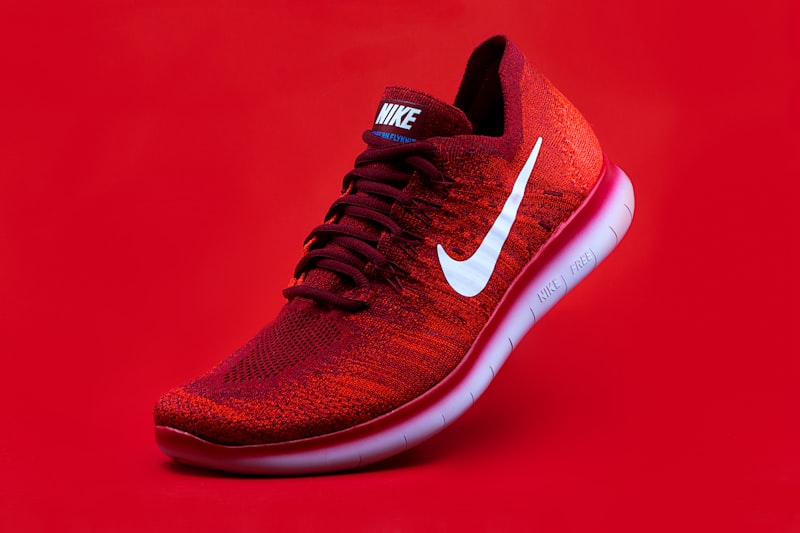
Nike was already a rising American sports brand built on running, basketball, athlete marketing and performance footwear.
China turned Nike into a mass youth-culture symbol across basketball, running, sneakers, retail and digital commerce.
Nike entered a market of canvas shoes and state sport, then helped create China's sneaker generation
Executive Summary
Nike's China story is not best understood through recent sales fluctuations. The deeper story is how a brand born in American running and basketball entered a country where modern consumer sportswear barely existed, then helped create the culture that later made China one of Nike's most important global markets.
Before Nike became a mass consumer brand in China, Chinese sports footwear meant something very different. Many consumers wore simple canvas shoes, school sports shoes, domestic brands such as Warrior and Feiyue, military-inspired footwear, factory shoes or low-cost local products. Sport itself was shaped heavily by schools, work units and state competition systems. Athletic apparel was functional, not a lifestyle identity. The idea that a pair of sneakers could signal taste, basketball identity, street culture, celebrity loyalty and social status had not yet become mainstream.
Nike entered China through several overlapping routes. One was manufacturing and sourcing. As China opened and became a global production base, Nike and its supply partners built links to Chinese factories and export systems. Another was sport marketing: basketball, running and international athletes. A third was retail: branded stores, department-store counters, specialty sports shops and later digital channels. A fourth was culture: Michael Jordan, the NBA, Kobe Bryant, LeBron James, school courts, sneaker collecting, limited releases and youth identity.
The transformation was profound. In the 1980s and early 1990s, Nike was foreign, expensive and known mainly to urban consumers who followed international sport. By the 2000s and 2010s, Nike had become one of the most desired sportswear brands in China. It connected with the NBA wave, China's basketball participation boom, the 2008 Beijing Olympics, rising disposable income, mall culture, e-commerce, sneaker resale and fitness lifestyles. Greater China eventually generated more than US$8 billion in annual revenue at peak scale, becoming one of Nike's most important global regions.
Nike did not simply sell shoes to China. It sold a new idea of sport: individual performance, athlete worship, personal style, global competition and youth self-expression. This differed sharply from China's older state-sport tradition, where elite athletes represented national achievement but ordinary consumers did not necessarily buy sportswear as identity. Nike helped move sport from stadiums and school tracks into daily lifestyle.
For foreign brands, Nike's China case shows how powerful a brand can become when it enters before a consumer culture is fully formed and then helps shape that culture. But it also carries a warning. Once China builds its own sports brands, athletes, designers, supply chain, running communities and youth culture, the foreign brand must keep earning its role. Early prestige opens the door; long-term relevance requires local participation.
1. Before Nike: What Sportswear Meant in China
Functional shoes, not lifestyle sneakers
Before global sneaker culture spread widely in China, most athletic shoes were practical objects. Students wore canvas shoes for school sports. Workers wore durable low-cost shoes. Military-style green shoes, simple rubber-soled shoes and domestic canvas brands were common. Footwear was judged by price, durability and availability more than by athlete endorsement or cultural meaning.
Brands such as Warrior and Feiyue were part of Chinese urban memory. They were affordable, familiar and tied to school life, martial arts imagery, factory production and everyday use. These brands had heritage, but they did not operate like Nike. They did not build a global athlete mythology, limited releases, high-performance technology stories or premium retail experiences.
This context matters because Nike did not enter a mature sneaker market. It entered before the category had fully transformed from utility into identity. That gave Nike enormous room to define what premium sportswear could mean.
State sport and mass physical education
China had a strong sports tradition before Nike, but it was different from American commercial sports culture. Elite athletes represented national pride through table tennis, gymnastics, diving, weightlifting, volleyball, badminton and track events. Schools had physical education, but sport was not yet a broad consumer lifestyle industry.
In the planned-economy era, sport was tied to health, discipline and national achievement. It was less tied to individual sneaker choice, celebrity fandom or recreational consumption. Ordinary consumers did not build wardrobes around sport brands. There was no large-scale running-shoe rotation, basketball-sneaker resale market or athleisure wardrobe.
Nike's brand language - "Just Do It," individual ambition, athlete greatness, personal performance - entered China with a different emotional register. It made sport feel personal, not only national or institutional.
The early domestic sportswear baseline
By the late 1980s and 1990s, China's consumer market was opening and domestic sports brands were developing. Li-Ning was founded in 1990 by the famous Chinese gymnast Li Ning, giving China a powerful local sports identity. Anta was founded in 1991 in Fujian, later becoming one of China's strongest sportswear groups. Other regional and local brands served price-sensitive consumers.
Nike therefore entered a market that had both old domestic footwear memory and emerging local sportswear ambition. But local brands were still building product technology, retail systems and premium positioning. Nike's advantage was global cultural capital: it arrived with Michael Jordan, American basketball, advanced cushioning, bold advertising and the feeling of international modernity.
2. Nike Before China Became a Major Market
Running roots and American performance identity
Nike was born from running. Its early identity came from track athletes, performance shoes and the idea that better footwear could improve athletic achievement. The brand then expanded into basketball and broader sports culture. By the time China began opening more deeply, Nike already had a clear global identity: performance, innovation, athlete endorsement and aggressive marketing.
This identity was different from most Chinese footwear available at the time. A Nike shoe was not just a shoe. It carried the promise of scientific design, professional sport and international aspiration.
Michael Jordan changed Nike's global meaning
The Air Jordan line changed Nike's global meaning before it fully exploded in China. Jordan turned basketball shoes into status objects. The shoe was linked to an athlete, a story, a silhouette, a logo and a sense of greatness. This was much more powerful than generic sportswear advertising.
When Chinese consumers later encountered Jordan and the NBA, they were not seeing an ordinary athlete campaign. They were seeing a fully formed mythology. The Jumpman logo, highlight videos, championship stories and Air Jordan shoes gave Nike a cultural weapon no local brand could easily copy in the 1990s.
Nike had production links before mass consumer dominance
Like many global apparel and footwear brands, Nike's relationship with China included manufacturing and sourcing before China became a huge consumer revenue engine. China's opening, labor force, supplier base and export infrastructure made it important to global sportswear production.
This gave Nike an operational connection to China even before Chinese consumers were buying Nike at mass scale. The country was part of Nike's supply side before it became a major demand side. Over time, those two roles reinforced each other: China helped make global sportswear, and then Chinese consumers increasingly bought global sportswear.
3. Early Entry: From Foreign Shoe to Urban Aspiration
Nike was expensive and scarce at first
In early China market development, Nike was expensive for ordinary consumers. A pair of Nike shoes could cost far more than local shoes and represented a serious purchase. That price gap made Nike aspirational. Like the iPhone later, the product's high price was part of the social signal.
Scarcity also increased desire. Imported or foreign-branded products in the 1990s carried prestige because not everyone could access them. A Nike shoe on a school court or university campus was visible. It told others that the wearer had money, taste or foreign connection.
Urban youth became early believers
Urban students and young professionals were among the early consumers who understood Nike's meaning. They followed NBA games, foreign magazines, Hong Kong media, TV broadcasts and later internet forums. They wanted products that connected them to global youth culture.
For this group, Nike was not only about running faster or jumping higher. It was about joining a world outside the older Chinese consumption system. A Nike shoe symbolized modern sport, international identity and personal expression.
Basketball courts became brand theaters
Basketball was crucial because it is public and social. Shoes are visible on court. Players compare brands, models and athlete associations. A good basketball shoe is both performance equipment and social object.
China's school courts, university courts and neighborhood courts became informal Nike theaters. A student wearing Jordans or Nike basketball shoes did not need to advertise. The product advertised itself every time they played.
This visibility made basketball more powerful for Nike than many other sports. Running shoes matter, but they are less socially dramatic. Basketball shoes carry confrontation, style and audience.
4. The NBA, Jordan and Chinese Basketball Culture
NBA broadcasts created a cultural bridge
The NBA's spread in China gave Nike an enormous advantage. Chinese viewers could watch American basketball stars and then connect those stars to shoes, jerseys and advertising. The game itself became a cultural bridge between American sport and Chinese youth.
Michael Jordan was the central figure. Even for consumers who never saw every game live, Jordan's story circulated through highlights, magazines, documentaries, posters and later online content. He represented excellence, confidence and a kind of individual athletic heroism that felt different from older state-sport narratives.
Nike benefited because it owned much of that emotional territory. To want to play like Jordan was to want the shoes associated with him.
Basketball was easy to play and easy to spread
Basketball spread in China because it required relatively little equipment and fit schools, factories, military compounds, universities and residential communities. Courts existed across cities. A ball and a pair of shoes were enough.
This made basketball more participatory than many elite Olympic sports. Ordinary teenagers could imitate moves, wear signature shoes, follow NBA teams and form local identities. Nike's basketball products therefore had both spectator and participant demand.
Kobe, LeBron and the post-Jordan generation
After Jordan, Nike continued to benefit from NBA stars such as Kobe Bryant and LeBron James. Kobe became especially important in China because of his work ethic image, repeated China visits, youth camps and deep fan loyalty. His "Mamba mentality" resonated with Chinese students and young professionals who admired discipline and self-improvement.
LeBron represented power, longevity and modern NBA greatness. Together, these athletes helped Nike remain relevant across generations. A brand tied to only one legend risks aging. Nike built a chain of athlete narratives.
Yao Ming amplified China's basketball boom
Yao Ming's entry into the NBA in 2002 transformed Chinese basketball attention. Although Yao was not Nike's signature athlete in the same way Jordan or Kobe were, his NBA career expanded the entire basketball market. More Chinese consumers watched games, followed teams, bought basketball shoes and saw basketball as a serious global sport.
Nike benefited from the bigger basketball ecosystem. When the whole category grows, the strongest basketball brand gains.
5. Beijing 2008 and the National Sports Moment
The Olympics changed sport consumption
The 2008 Beijing Olympics were a turning point in China's sports consciousness. China was not only watching world sport; it was hosting it. Stadiums, national pride, elite athletes, training culture and global attention all made sport more visible.
For sportswear brands, the Olympics created a larger consumer frame. Sport was not just school exercise or professional competition. It was national image, personal health, global culture and urban lifestyle.
Nike did not own the Olympics in China the way an official sponsor might, but it benefited from the rising sports market around the event. Chinese consumers became more aware of performance apparel, running shoes, training gear and athlete identity.
The Li Ning torch moment showed local competition
The Beijing Olympics also strengthened local sports identity. Li Ning, the Chinese gymnastics legend and founder of the Li-Ning brand, lit the Olympic cauldron in a dramatic ceremony. That moment reminded the market that domestic sports brands could carry national emotion.
For Nike, this was both challenge and validation. China was becoming a serious sportswear market, but it was also becoming a market where local pride mattered. Nike's foreign prestige remained powerful, but domestic brands now had their own emotional assets.
Post-Olympic fitness and participation
After 2008, running, gym training, basketball, outdoor activities and organized amateur sports continued to grow. China's urban middle class increasingly saw sport as part of health and lifestyle. Nike's product range fit this shift.
This is when Nike could move beyond basketball into running, women's training, sportswear apparel and lifestyle sneakers. The market was no longer only young men on basketball courts. It included office workers, women, families, marathon runners and fitness consumers.
6. From Sport to Lifestyle: The Sneaker Generation
Sneakers became identity
By the 2010s, sneakers in China were no longer only athletic equipment. They were fashion, status, youth culture and collectible goods. Nike's Air Jordan, Air Force 1, Dunk, Air Max and running franchises became part of urban style.
This transformation was important because lifestyle demand is larger than pure sports participation. A consumer may not play basketball often but still wear Jordans. A consumer may not run marathons but still buy Nike running-inspired shoes for daily outfits.
Nike's advantage was that its performance history made lifestyle products feel authentic. A shoe that came from sport carried more credibility than a purely fashion sneaker.
Sneaker collecting and resale amplified desire
Chinese sneaker communities formed around forums, social media, resale platforms and authentication services. Limited releases, collaborations and athlete shoes created scarcity. Resale prices turned sneakers into tradable objects.
This amplified Nike's cultural heat. A shoe that sells out and trades above retail becomes news. Young consumers learn which models matter. The brand gains attention without traditional advertising.
But this also creates risk. If hype becomes more important than product truth, the brand can overheat. Nike's strongest long-term position comes from combining hype with real sport credibility.
Mall culture and flagship retail made the brand visible
China's shopping mall boom gave Nike a physical stage. Flagship stores, mono-brand stores, department-store counters and sportswear floors made the brand visible in commercial centers across the country. Consumers could try products, compare models and experience Nike as a premium environment.
Retail mattered because sportswear is tactile. Fit, cushioning, color and design are easier to understand in person. Flagship stores also made Nike feel committed to China.
7. Digital China: Tmall, JD, SNKRS, WeChat and Dewu
E-commerce expanded reach
China's e-commerce ecosystem helped Nike reach consumers beyond flagship cities. Official stores on major platforms provided authenticity and assortment. Consumers could buy with confidence instead of relying on grey-market sellers or uncertain offline shops.
For a premium brand, official digital channels are essential in China because counterfeit and parallel-market concerns are real. A consumer buying expensive sneakers wants proof that the product is genuine.
SNKRS and limited drops built culture
Nike's SNKRS model brought limited releases and sneaker storytelling into a digital format. This fit China's hype-driven sneaker communities. Consumers could follow drops, learn product stories and participate in scarcity events.
However, limited-drop culture also requires fairness and trust. If consumers believe bots or resellers dominate releases, frustration can build. Premium hype must be managed carefully.
WeChat turned loyalty into daily access
WeChat became a key environment for brand communication, membership, service and community. Nike could use official accounts, mini programs, campaigns and store connections to maintain consumer relationships.
In China, a brand's digital ecosystem cannot ignore WeChat. It is not just social media. It is infrastructure for communication, payment, service and private traffic.
Dewu reflected sneaker credibility
Dewu, also known as Poizon, became one of China's key sneaker resale and authentication platforms. Nike products were central to its culture. Resale platforms increased price transparency and made sneaker culture more sophisticated.
For Nike, Dewu was both amplifier and mirror. Strong resale prices signaled heat. Weak prices signaled cooling demand. Foreign brands should watch secondary markets because they reveal cultural demand earlier than sales reports.
8. Nike and Chinese Consumer Segments
Basketball youth
Basketball youth built Nike's early cultural power. These consumers followed NBA stars, played after school, compared shoes and saw sneakers as part of court identity. For them, Nike represented authentic basketball.
This segment was visible and influential. Basketball courts became social spaces where brand hierarchy was clear.
Running and marathon consumers
As China's running boom grew, Nike gained another major segment. Running appealed to office workers, health-conscious consumers, marathon participants and urban communities. Running shoes are performance-driven, which fits Nike's technology story.
Running also creates repeat demand. Serious runners buy multiple shoes, track mileage and care about product function. This is more durable than one-time fashion buying.
Women and fitness consumers
Women's fitness, yoga, training and athleisure expanded the market beyond male basketball culture. Nike invested in women's products, training campaigns and lifestyle apparel, but China demanded stronger localization around fit, body types, communities and digital content.
This segment is strategically important because it connects sport, health, fashion and daily wear.
Sneaker collectors and fashion consumers
Collectors, streetwear fans and fashion consumers gave Nike cultural heat. They cared about limited releases, collaborations, colorways, resale value and celebrity styling. This segment may be smaller than mass sportswear, but it shapes perception.
Parents and children's sports
As Chinese parents invested more in children's education and health, sports participation became part of family spending. Basketball training, running, school sports and fitness programs created demand for children's sportswear.
Nike's global trust and performance image helped in this segment, but price sensitivity and competition from local brands also mattered.
9. Supply Chain and Production: China Behind the Swoosh
China as production base
Nike's China story includes manufacturing. Chinese factories and suppliers helped produce footwear and apparel for global markets over decades. This embedded Nike in China's industrial development even before the consumer market reached peak scale.
Production links gave Nike operational knowledge of China, supplier relationships and exposure to local manufacturing capability. China was both factory and market.
Supplier capability upgraded with global brands
Global sportswear production requires quality control, materials, tooling, stitching, molding, logistics and compliance. Chinese suppliers learned and upgraded through relationships with brands like Nike. This helped China's broader footwear and apparel industry become globally competitive.
The long-term consequence is ironic but important: the same supply-chain ecosystem that helped global brands scale also helped Chinese brands improve. Local competitors later benefited from improved manufacturing capability.
Manufacturing ties created responsibility
Nike also faced scrutiny around labor, sourcing and supplier standards globally. A brand that uses China as production base must manage labor conditions, compliance, audits and public trust. Supply chain is not only cost. It is reputation.
For foreign brands, China manufacturing can provide scale, but it must be managed with strong standards.
10. Competitive Landscape Over Time
From weak local premium to strong national champions
When Nike was building China, local brands were still developing premium credibility. Over time, Anta, Li-Ning, Xtep, 361 Degrees and others improved product, retail, marketing and sponsorship. The gap narrowed.
This is a predictable China pattern. Foreign brands often enter with stronger technology and prestige. Domestic brands learn, localize and eventually compete seriously.
Li-Ning: national athlete heritage
Li-Ning has a unique asset: a Chinese Olympic champion founder. This gives it a national sports story Nike cannot copy. When Chinese consumers began valuing domestic pride and design, Li-Ning became more culturally powerful.
Nike's advantage is global sport mythology. Li-Ning's advantage is Chinese sport mythology. Both matter.
Anta: operational scale and portfolio
Anta built strength through local distribution, value, performance improvement and multi-brand strategy. Its control of Fila in China and broader portfolio gave it premium and mass-market reach. Anta's rise showed that Chinese sportswear companies could become sophisticated groups, not only low-cost manufacturers.
International specialists
Nike also faces global specialists in China: Adidas, Puma, New Balance, Asics, On, Hoka, Salomon, lululemon and others. These brands attack specific segments such as running, outdoor, yoga, lifestyle or premium performance.
China's sportswear market is now too diverse for one brand to dominate every category easily.
11. Before-and-After China Data Logic
Before China: global promise, limited local consumer culture
Before China became a major market, Nike's strongest assets were global: running credibility, athlete endorsements, Jordan, product innovation and American sports culture. China had sports participation and domestic shoes, but not yet a large premium sneaker culture.
The "before" condition was a gap between Nike's global meaning and China's undeveloped sportswear consumption. Nike's opportunity was to bring that meaning into a market ready to upgrade.
After China: revenue pillar and cultural engine
After decades of investment, Greater China became one of Nike's most important revenue regions. At peak scale, it generated more than US$8 billion annually. That number matters because it shows that Chinese demand had moved far beyond niche sneaker enthusiasts. Nike had become mass premium.
China also became a cultural engine. Chinese consumers shaped launches, retail formats, digital sneaker culture and basketball marketing. The market was no longer only receiving Nike culture; it was participating in it.
China changed Nike's risk and opportunity
China gave Nike growth, scale and manufacturing depth. It also created dependence, political risk, local competition and faster consumer cycles. This is the pattern for many foreign brands. The larger China becomes in your business, the more China changes your business.
12. What Foreign Brands Can Learn from Nike
Enter before culture is fully formed
Nike benefited because it entered while China's consumer sports culture was still forming. It helped define what premium sneakers meant. Foreign brands should look for emerging categories where consumer meaning is not yet fixed.
Attach the product to a movement
Nike attached shoes to basketball, running, youth identity and global sport. A product without movement is easier to commoditize. A product connected to culture becomes harder to replace.
Use global icons, then localize emotion
Jordan, Kobe and LeBron gave Nike global power. Chinese athletes, local campaigns, city events and community programs made the brand locally relevant. Foreign brands need both: global authority and local emotional translation.
Build retail and digital together
Nike's China power came from both stores and platforms. Physical retail created experience and trust. Digital channels created reach, drops and data. In China, one without the other is incomplete.
Expect local competitors to become excellent
Nike's long-term China challenge comes from local brands that learned quickly. Foreign brands should assume that early superiority will fade. The durable moat must be brand, community, technology, service and constant innovation.
13. Strategic Risks and Long-Term Limits
Logo power can weaken
In early premium markets, logos carry enormous power. Over time, consumers become more knowledgeable and demand product truth. Nike cannot rely forever on the swoosh alone. Performance, fit, comfort and local relevance matter.
Basketball culture is not the whole market
Basketball built Nike's China identity, but China's sports consumption now includes running, outdoor, fitness, yoga, hiking, skiing and lifestyle training. Nike must serve a broader sports culture than the one that made it famous.
National pride changes foreign-brand logic
Chinese consumers still buy foreign brands, but domestic pride has grown. Nike's global identity remains valuable, yet it must respect local culture and avoid appearing distant from Chinese consumers.
14. Why China Changed Nike Global Operating Model
Nike's China story is usually described from the consumer side: basketball shoes, Jordan, Kobe, stores, apps and sneaker culture. That view is correct, but incomplete. China also changed how Nike had to operate as a global company. The market forced Nike to coordinate brand, product, supply chain, retail, digital commerce, community marketing, local compliance and social sentiment at a speed that was different from many Western markets.
Before China became a major consumer market, Nike could rely heavily on a model built around global campaigns, athlete stories, performance technology and powerful wholesale distribution. In the United States and Europe, the brand had decades to build retailer relationships, league partnerships and consumer habits. China compressed that journey. Urban consumers were upgrading fast, malls were expanding fast, e-commerce was growing fast, mobile payments became normal fast, and youth culture moved from forums to Weibo to WeChat to short video and resale communities. Nike could not treat China as a slow extension of the American market. It had to treat China as a high-speed operating environment.
This is one reason China became strategically important beyond its revenue. A brand that learns to serve China learns to serve a consumer base that is digital, urban, status-sensitive, promotion-aware, community-driven and very quick to compare alternatives. Chinese consumers often research products across official stores, marketplace comments, social media, short videos, resale prices and peer recommendations before they purchase. That behavior pressures a brand to keep product stories consistent across every touchpoint. A shoe cannot be premium in a flagship store and confusing on a marketplace page. A limited release cannot create excitement if consumers do not trust the buying process. A performance claim cannot remain vague if serious runners discuss cushioning, weight, durability and fit in detail online.
China also forced Nike to think in tiers. The brand needed to serve top-tier cities where sneaker collectors and premium mall consumers wanted global launches, but it also needed relevance in lower-tier cities where price, local competition and family spending priorities were different. This is not a simple question of making cheaper products. It is a question of portfolio architecture. Nike had to maintain premium heat at the top while making the brand accessible enough for a much broader sportswear audience. Too much exclusivity would limit scale. Too much mass distribution would weaken aspiration. China made that balance visible.
The operating model also changed because China is a retail laboratory. Large flagship stores, mall stores, basketball courts, running clubs, membership events, pop-ups, online official stores and app-based launches all became part of the consumer journey. In a mature Western market, Nike could lean on established retail habits. In China, it had to help create habits. Consumers needed to understand why an official channel mattered, why a performance shoe deserved a premium price, why a membership account had value, and why a product story was worth following before launch day.
China's supply-chain role added another layer. Nike had long depended on Asian manufacturing networks, including China, for production capability. As China developed as a consumer market, Nike had to manage the country as both production ecosystem and demand center. That dual role creates advantages: supplier knowledge, logistics familiarity, product speed and local insight. It also creates sensitivity. Public debates about labor, sourcing, geopolitics or brand statements can affect consumer trust because the brand is deeply connected to China on more than one side of the business.
The broader lesson is that China did not merely add a large market to Nike's income statement. It pushed Nike toward a more integrated operating system. Brand storytelling, product innovation, channel control, consumer data, social listening and local execution had to work together. For foreign brands entering China, this is the core point: China rewards brands that treat it as a strategic operating center, not as an export destination.
15. The Before-and-After Brand Meaning Shift
The most important change in Nike's China story is not that more shoes were sold. It is that the meaning of the shoe changed. Before Nike entered the Chinese consumer imagination, a sports shoe was usually a practical item. It helped a student run, a worker walk, a child attend physical education class or a player join a school game. The product could be useful and even beloved, but it was not usually a sophisticated identity signal.
Nike changed that meaning by importing a complete symbolic system. The swoosh stood for global sport. Air technology stood for performance and modern design. Jordan stood for excellence, rebellion, flight and competitive confidence. Kobe stood for discipline and obsessive improvement. LeBron stood for power and longevity. The product was therefore not only leather, textile, foam and rubber. It was a passport into a global sports language.
This mattered strongly in China because many consumers were living through a rapid transition from scarcity to choice. The first generation of urban consumers who bought premium foreign sneakers had memories of simpler domestic footwear. They could feel the difference between low-cost school shoes and imported basketball shoes. That contrast made the purchase emotionally meaningful. Buying Nike was not just buying better cushioning. It was buying a sign that one's life had entered a more global, modern and expressive stage.
The before-and-after contrast is especially clear among students and young professionals. A student wearing basic canvas shoes was participating in school sport. A student wearing Nike basketball shoes was performing identity on court. The shoe communicated what teams the student followed, what players he admired, what level of spending his family could support, and how closely he was connected to global youth culture. In a social environment where peers observe each other closely, that symbolic value was powerful.
Nike also benefited from timing. China was opening to foreign media, international sport and global brands at the same time that basketball was becoming easier to watch and discuss. The brand did not need to explain every detail from zero. NBA highlights, posters, video games, sports magazines, online forums and word of mouth did part of the work. Nike products became the physical objects attached to a growing cultural story.
After China, Nike's global brand meaning also changed. The company was no longer only a Western sportswear brand selling to Western consumers and producing in Asia. It became a brand whose future depended partly on Chinese youth, Chinese retail, Chinese digital ecosystems and Chinese sports communities. When a market reaches that scale, it starts to influence global planning. Product launches, store concepts, marketing calendars and risk management must consider China from the beginning.
This is why the Nike case is useful for foreign brands in other categories. In China, the best brands do not merely translate their slogan. They translate their role in the consumer's life. Nike's role became the bridge between functional sport and aspirational identity. Apple played a similar role between mobile phone utility and premium digital lifestyle. KFC played a similar role between fast food and localized family dining. Starbucks played a similar role between coffee and urban third-place culture. The pattern is category creation through meaning creation.
The danger is that meaning can age. What felt globally modern in the 1990s and 2000s may feel ordinary to a younger consumer raised in a world where Nike, Adidas, Anta, Li-Ning, Fila, lululemon, On and many other options are already present. Nike therefore has to keep renewing what the swoosh means in China. It cannot rely only on the memory of first arrival.
16. Consumer Psychology: Why Chinese Youth Accepted Nike So Quickly
Nike's rise in China was not automatic. Many foreign brands entered China with prestige but did not become deeply embedded in youth culture. Nike succeeded because it matched several psychological needs that were becoming stronger in Chinese cities.
The first was aspiration. In the 1990s and early 2000s, many urban Chinese families were entering a period of higher income, wider product choice and stronger interest in international lifestyles. A premium foreign sports shoe fit that moment. It was expensive enough to feel special, visible enough to be recognized by peers, and practical enough to justify the purchase. Parents might resist a purely decorative luxury item, but a sports shoe could be framed as useful for school, exercise and growth.
The second was performance belief. Nike's product stories sounded scientific and professional. Air cushioning, basketball traction, running support and athlete-tested design gave consumers reasons to believe the price gap had substance. This mattered because Chinese consumers are often highly value-conscious even when buying premium goods. They may pay more, but they want a reason. Nike's technology language helped turn desire into justification.
The third was peer signaling. Shoes are public. A phone may sit in a pocket, but sneakers appear in classrooms, courts, malls, streets and social photos. For young consumers, a recognizable sneaker could create immediate social feedback. It could show that the wearer understood NBA culture, had access to desirable products and cared about style. This visibility created a loop: the more people noticed Nike, the more valuable Nike became as a signal.
The fourth was hero identification. Chinese youth did not only watch Jordan, Kobe or LeBron as athletes. They used them as models of personality. Jordan represented impossible confidence. Kobe represented discipline and pain tolerance. LeBron represented physical dominance and long-term excellence. These stories were easy to connect with Chinese student culture, where hard work, exams, competition and self-improvement are familiar themes. Nike's athlete marketing therefore did not feel like distant advertising. It could be interpreted through local values.
The fifth was controlled scarcity. Premium products become more desirable when access is difficult but not impossible. In early years, foreign sneakers were expensive and less available. Later, limited releases and resale markets created new forms of scarcity. Chinese sneaker consumers learned to treat some shoes as cultural assets, not just retail goods. This helped Nike maintain heat even after the brand became widely known.
The sixth was authenticity by association. Basketball culture is credibility-driven. A brand seen on real NBA athletes, real school courts and real collectors gains authority. Nike's connection to the NBA gave it a level of authenticity that purely local advertising could not easily match at the time. Local brands could sponsor events, but Nike could point to the world's most watched basketball stars.
The seventh was family mobility. Many Nike purchases were not only individual decisions. They were connected to family hopes. A parent buying a Nike shoe for a child might see it as support for health, confidence or social inclusion. A young adult buying Nike with a first salary might see it as a reward for progress. This emotional context made the brand stronger than a simple fashion purchase.
These psychological forces explain why Nike's China growth was deeper than logo recognition. The brand entered a society where sport, status, global culture, family aspiration and youth self-expression were all expanding at the same time. Nike gave those forces a visible object. That is the essence of great China market entry: the product becomes a container for changes already happening in society.
17. The Channel Funnel: From Awareness to Purchase to Community
Nike's China success can also be read as a funnel. The top of the funnel was global awareness. Consumers saw NBA stars, Olympic athletes, international advertising, sports media and peer usage. The middle of the funnel was product desire: shoes, apparel, team associations, model names and performance features. The bottom of the funnel was purchase through stores, counters, official online shops or launch platforms. After purchase, community and repeat behavior kept the consumer inside Nike's world.
In the early stage, awareness was often stronger than access. Chinese youth might know Jordan before they could afford or easily find authentic Air Jordan shoes. That gap did not hurt Nike. It built aspiration. The dream existed before the transaction. This is important because foreign brands sometimes want immediate conversion in China without first building cultural desire. Nike's early China story shows that long-term brand heat can start years before mass purchasing power arrives.
As access improved, retail became decisive. A Nike store was not only a sales point. It was proof of legitimacy. Consumers could touch the product, compare sizes, see the full assortment and feel the brand environment. In a market where counterfeits and grey goods existed, official retail helped answer the question: is this real? Trust was part of the purchase funnel.
E-commerce then expanded the funnel dramatically. Official stores on major platforms made Nike available to consumers far beyond the top retail locations. Search, reviews, promotions and product pages turned the buying process into a research experience. Consumers could compare models, watch videos, read comments and wait for campaigns. This was different from traditional Western retail because marketplaces became both transaction platforms and discovery engines.
Nike also had to manage the tension between marketplace scale and brand control. Marketplaces can generate volume, but they can also flatten brand experience into price comparison. A premium sportswear brand needs to protect storytelling, product hierarchy and official authenticity. Nike's own apps, SNKRS, membership programs and WeChat ecosystem helped create more controlled environments where the brand could speak directly to consumers.
Community was the final layer. Running clubs, basketball events, training sessions, campus activations, athlete visits and online sneaker communities moved consumers from buyers to participants. Participation is more valuable than awareness because it creates habits. A consumer who joins a running community may buy multiple shoes. A basketball player may follow new releases every season. A collector may monitor drops weekly. A parent may return for children's shoes as the child grows.
This funnel also explains why Nike has to defend multiple fronts in China. If awareness weakens, the brand becomes less culturally exciting. If product desire weakens, the consumer may switch to local brands or specialists. If purchase channels feel unfair or confusing, conversion suffers. If community weakens, repeat behavior declines. China does not allow a brand to win through one channel alone.
For foreign brands studying Nike, the channel lesson is clear. China market entry should not be planned as a simple distributor model. The brand needs a cultural funnel, an official trust layer, a digital transaction layer and a community layer. Without that full system, awareness can leak into competitors, and premium pricing becomes harder to defend.
18. The Timeline Logic: Nike, China and Category Formation
A useful way to understand Nike in China is to divide the story into several eras rather than treating it as one continuous expansion.
The first era was the pre-sneaker-culture baseline. In this period, Chinese consumers knew sport, but they did not yet consume sport in the modern branded way. Domestic canvas shoes, school shoes and practical footwear dominated ordinary use. Elite sport was respected, but commercial sport culture was not yet broad. The market had athletic activity without a large premium sportswear identity.
The second era was foreign-brand discovery. As China opened, foreign consumer goods carried prestige. Nike entered this atmosphere with the advantage of global sport credibility. The early consumer did not need a complex segmentation map. The brand was foreign, expensive, modern and connected to world-class athletes. That was enough to create desire among urban early adopters.
The third era was basketball acceleration. NBA exposure, Jordan mythology, school courts, Kobe fandom and Yao Ming's NBA career expanded the emotional space for basketball products. Nike became one of the brands most strongly associated with that expansion. The product category shifted from general athletic footwear to star-linked basketball identity.
The fourth era was Olympic and middle-class broadening. Around the Beijing Olympics and the years after, sport became more visible as national pride, health, leisure and urban lifestyle. Nike could expand beyond basketball into running, training, women's fitness and sportswear. This was the move from youth subculture to broad middle-class consumption.
The fifth era was digital sneaker culture. E-commerce, social media, resale, authentication platforms and limited drops turned sneakers into a more sophisticated consumer field. Chinese consumers were no longer simply receiving global sneaker culture. They were ranking, pricing, debating, authenticating and trading products themselves. This made the market more powerful but also more demanding.
The sixth era is local-brand maturity. Anta, Li-Ning and other Chinese players improved technology, design, retail, sponsorship and national-cultural storytelling. Nike still has global power, but the category is no longer a simple foreign-versus-local ladder where foreign automatically means better. Chinese brands can now win on fit, price, patriotic emotion, local ambassadors, fast product response and distribution depth.
This timeline matters because it prevents a shallow reading of Nike's China results. Recent revenue changes or market-share movement cannot explain the full story. The deeper question is how Nike participated in category formation. It entered when the meaning of sportswear was still open. It helped build the premium sneaker category. Then it had to compete in the more mature category it helped create.
This pattern appears across many foreign-brand China cases. The first win comes from bringing a new standard. The second win comes from adapting that standard to Chinese consumer behavior. The third challenge comes when Chinese competitors master the standard and add local advantages. Nike is now in the third phase. That does not mean the brand is weak. It means the market has matured.
For strategy, the timeline implies that Nike's future China growth depends less on simple brand introduction and more on renewal. It must keep proving performance to serious athletes, cultural relevance to youth, value to families, authenticity to collectors and trust to digital buyers. In early China, Nike could educate the market. In mature China, the market educates Nike.
19. What the Nike Case Means for Foreign Brands Entering China Today
Nike's China experience offers a practical framework for foreign brands, but it should not be copied mechanically. The China that Nike entered is not the China that new brands enter today. When Nike began building meaning, many categories were still underdeveloped, foreign brands had unusually strong prestige, and local competitors lacked global brand systems. Today's China is more competitive, more digital, more national-pride-aware and more demanding.
The first lesson is to identify the true before condition. Nike's before condition was not simply low market penetration. It was a market where sports footwear existed but premium sneaker culture had not fully formed. That gave Nike room to define the category. A foreign brand today must ask the same question: what consumer meaning is still unfinished in China? If the category is already mature, the brand needs a sharper reason to exist.
The second lesson is to connect global authority with local use cases. Nike had global athletes, but basketball courts, schools, malls, running communities and Chinese digital channels made the brand locally usable. A brand that only talks about its global history may sound impressive but distant. A brand that only localizes without authority may lose its premium edge. The strongest position combines both.
The third lesson is to build trust into the channel strategy from the beginning. Premium consumers in China care about authenticity, service, official access and after-sale confidence. Nike's official stores, platform shops, apps and community channels helped protect the brand from being reduced to unofficial sellers and price comparison. Foreign brands that ignore channel trust often find their brand equity leaking into grey markets.
The fourth lesson is to expect the local learning curve. China is not a market where foreign brands can hold a permanent advantage through origin alone. Local companies observe, learn, hire talent, build supply chains, improve product and use local cultural language more naturally. Nike's competitors became stronger partly because the entire sportswear ecosystem upgraded. New foreign entrants should assume local competition will improve quickly.
The fifth lesson is to avoid over-reading short-term data. Nike's China importance cannot be judged only through a recent year of growth or decline. The strategic value lies in decades of category formation, brand embedding, supply-chain learning and consumer culture creation. A foreign brand should measure China through both financial metrics and cultural position: who talks about the brand, where it appears, which communities adopt it, how it is compared with local alternatives, and whether it remains part of the category's imagination.
The final lesson is humility. Nike became powerful in China because it arrived with something Chinese consumers wanted: global sport, athlete mythology, performance product and a new way to express youth identity. But once Chinese consumers and Chinese competitors grow more sophisticated, the brand cannot assume gratitude or automatic loyalty. It has to keep listening, keep improving and keep showing why it deserves its premium role.
20. How to Read Nike China Data Without Missing the Strategic Point
Nike's China performance should be read through two layers of data. The first layer is financial: revenue, growth rate, margin, inventory, store productivity and digital sales. These numbers matter, but they are lagging indicators. They show what happened after consumer preference, channel strength and competitive pressure already changed.
The second layer is cultural and operational. For Nike in China, the leading indicators include basketball participation, running community activity, sneaker resale attention, social discussion quality, official-channel trust, product review sentiment, local competitor comparison and youth relevance. These signals explain why revenue later rises or falls. A brand can still have high revenue while losing cultural heat, and it can have short-term pressure while retaining long-term authority.
This distinction is important because China often produces sharp short-term swings. A campaign issue, inventory cycle, platform promotion, local competitor launch or consumer sentiment event can affect quarterly results. But the strategic question is larger: does Nike still define what premium sport means for the next generation of Chinese consumers? If the answer is yes, a short-term slowdown is manageable. If the answer becomes no, even strong historical revenue is fragile.
For a foreign brand using Nike as a reference, the right China dashboard should combine hard metrics with market-meaning metrics. Hard metrics include sell-through, average selling price, repeat purchase, member growth, official-store conversion, discount rate, return rate and regional store performance. Market-meaning metrics include unpaid social discussion, search interest by model, community event participation, product comparison language, creator adoption, resale premium and whether young consumers describe the brand as leading or merely expensive.
Nike's early China rise would not have been fully visible through sales alone. Before mass revenue arrived, the brand was already winning imagination on basketball courts, in school conversations and through NBA fandom. That cultural win later became commercial scale. The same logic works in reverse. If a brand loses the imagination of young consumers, the revenue decline may appear later, after the underlying weakness is already present.
This is why the Nike case remains useful beyond sportswear. China rewards brands that can measure both transaction and meaning. The transaction tells the company what consumers bought. Meaning tells the company why they bought it, whether they will buy again and whether the next generation still wants to be seen with the brand.
21. Conclusion
Nike's China story is a historical transformation. The brand entered a country where sportswear was mostly functional, domestic shoes were common, and sneaker culture had not yet become a mass youth language. Through basketball, Jordan, the NBA, retail, digital channels, the Olympics, running culture and manufacturing ties, Nike helped create the Chinese sneaker generation.
Before China, Nike was already a powerful American sports brand. After China, it became a global brand with one of its most important cultural and commercial pillars in Greater China. The market turned Nike from a foreign performance brand into a symbol of youth aspiration, basketball identity, sneaker collecting and modern fitness.
The lesson for foreign brands is not simply that China is large. It is that China can magnify a brand when the brand arrives early enough to shape consumer culture. Nike did not only sell shoes to Chinese consumers. It helped teach Chinese consumers what premium sportswear, athlete worship and sneaker identity could mean.
But China also changes. Domestic brands become stronger, consumer pride evolves, and the category fragments. Nike's next challenge is the same challenge every successful foreign brand eventually faces in China: after you help build the market, you must keep earning your place in it.